
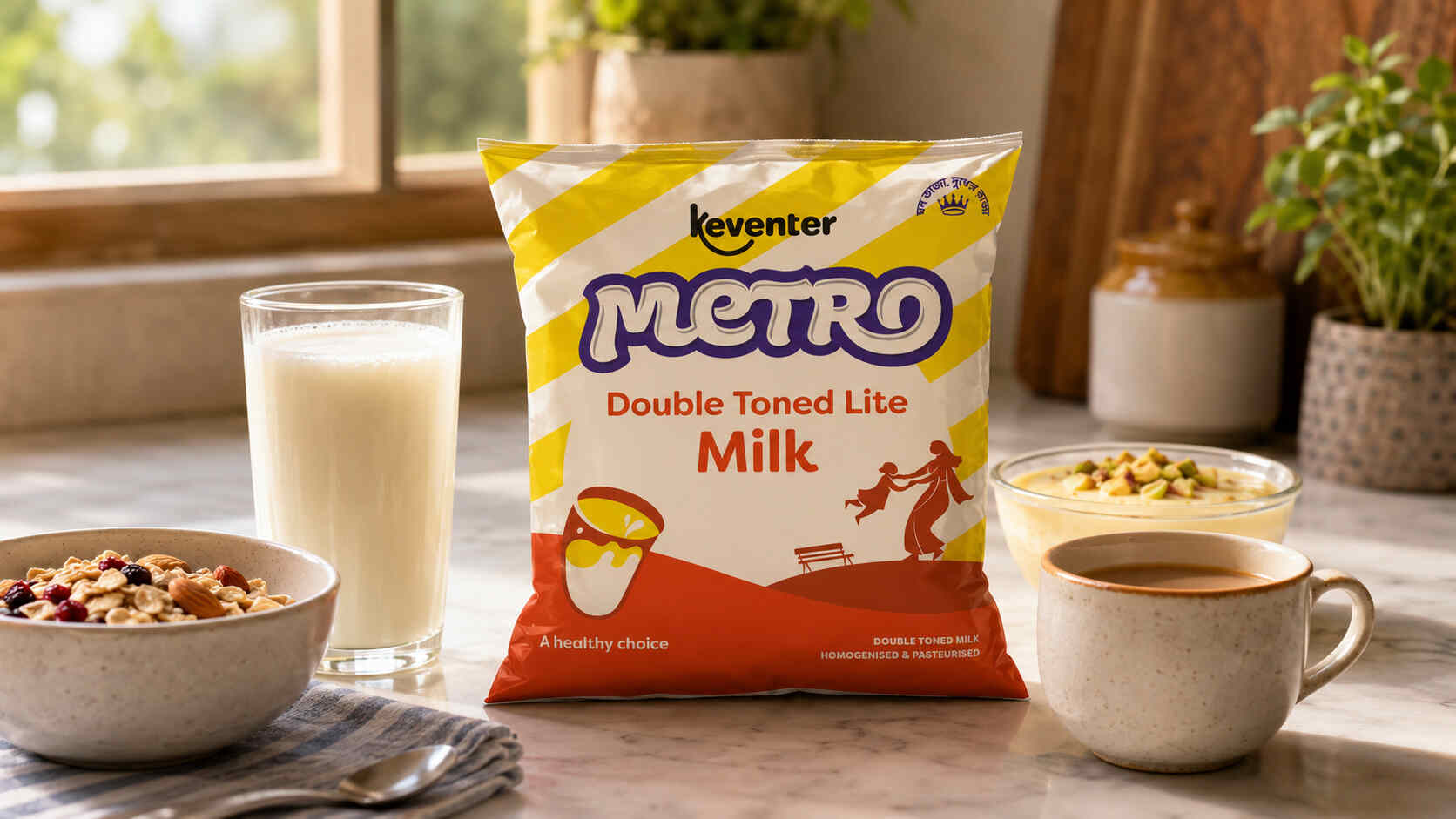
Have you ever picked up a packet of milk and noticed the letters SNF printed on the label?
For most people, it is just another technical term. We know about milk fat, but SNF often goes unnoticed. Yet, it is one of the most important factors that determine the quality and nutritional value of the milk we drink every day.
The full form of SNF is Solids-Not-Fat. Simply put, it refers to everything naturally present in milk except the fat and water. This includes proteins, lactose, minerals such as calcium and phosphorus, and several essential nutrients that make milk wholesome.
Think of milk as having two important parts. One is the milk fat that gives it richness and creaminess. The other is SNF, which contributes to its nutrition, natural body and balanced taste. Together, these two components define the overall quality of milk.
This is why dairy experts pay close attention to both fat and SNF. Whether milk is being enjoyed as a glass of fresh milk, poured into tea or coffee, added to breakfast cereal or used to prepare desserts like kheer and custard, the right balance of milk fat and SNF helps deliver the consistency people expect.
Many people also wonder whether a higher SNF value is a good thing. In general, good SNF levels indicate that milk contains the natural proteins, minerals and lactose that contribute to its nutritional profile. While the required SNF percentage varies depending on the type of milk, it remains one of the key quality parameters followed across the dairy industry.
That is why you will often see both fat and SNF printed on milk packaging. These values help consumers understand the composition of the milk they are buying and ensure that it meets established quality standards.
For families, however, the science behind SNF translates into something much simpler. It means milk that tastes consistent, works well in everyday recipes and provides the natural goodness people expect from dairy. Whether it is a morning cup of tea, a nutritious breakfast, an evening glass of milk or a favourite homemade dessert, both milk fat and SNF quietly play their part.
At Keventer Metro Dairy, quality begins with carefully processed milk that is made for everyday use. Freshness, consistency and nutrition remain at the heart of every pack, so families can enjoy milk with confidence every day.
The next time you notice the letters SNF on a milk packet, you will know they are much more than a technical abbreviation. They represent an important part of what makes milk nutritious, wholesome and suitable for everyday life.
What is the full form of SNF in milk?
SNF stands for Solids-Not-Fat, which includes the proteins, lactose, minerals and other natural nutrients present in milk apart from fat.
Why is SNF important in milk?
SNF contributes to the nutritional quality, taste and consistency of milk, making it an important measure of overall milk quality.
Is SNF different from milk fat?
Yes. Milk fat provides richness and creaminess, while SNF contains the non-fat nutrients that support the nutritional value of milk.

